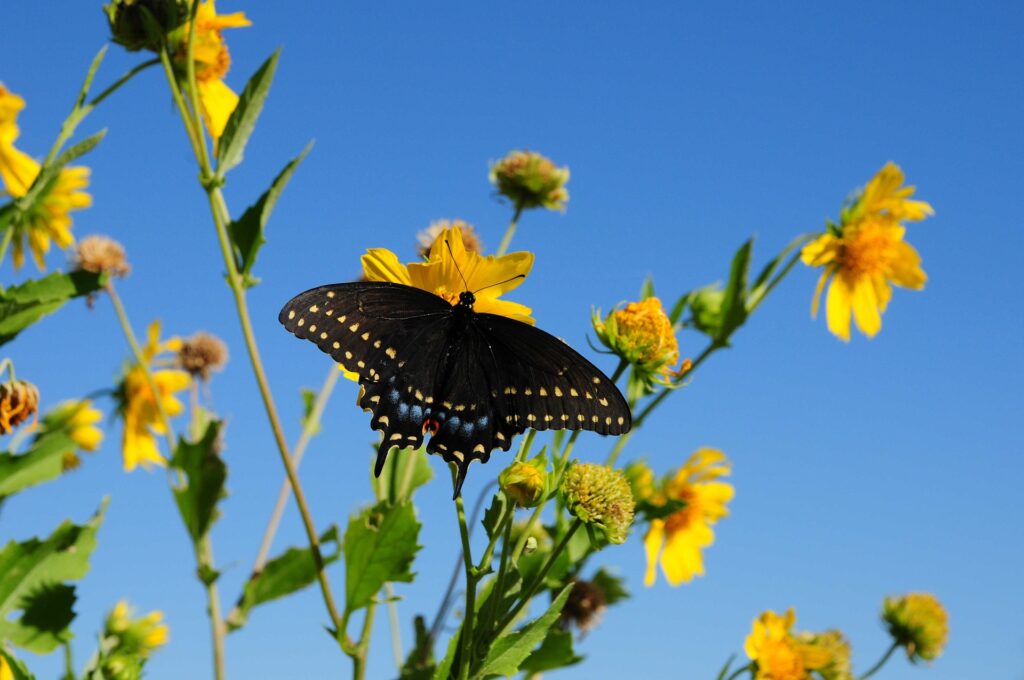
In growing cities like Celina, Texas, community development is no longer just about roads and buildings—it’s also about creating sustainable, green spaces that support both people and nature. One exciting idea gaining attention is the introduction of Community Pollinator Gardens across neighborhoods and public spaces. 🌼🐝 These gardens are designed to attract bees, butterflies, and other pollinators that play a vital role in our ecosystem. For a fast-growing city like Celina, this initiative can bring environmental, educational, and community benefits together in one beautiful project.
Pollinator gardens are filled with native plants such as milkweed, coneflowers, and lantana 🌸🌿 that naturally support local wildlife. These plants require less water, making them ideal for Texas weather conditions. By placing these gardens in parks, schools, and even residential areas, Celina can help restore natural habitats while also adding vibrant colors to the city landscape. Families walking through these spaces can enjoy not only the beauty but also learn about the importance of biodiversity.
One of the biggest advantages of a pollinator garden initiative is education. Schools in Celina could use these gardens as outdoor classrooms 📚🌱 where students learn about ecosystems, plant life cycles, and environmental responsibility. Community workshops could also teach residents how to start small pollinator-friendly gardens in their own backyards. This creates a ripple effect, turning individual homes into part of a larger environmental solution.
Beyond education, pollinator gardens can also improve the quality of life in neighborhoods. Studies show that green spaces help reduce stress, encourage outdoor activity, and strengthen community bonds 🤝🌳. Imagine walking through a local park filled with butterflies fluttering around colorful flowers—it creates a peaceful environment that residents of all ages can enjoy. It also enhances property appeal and supports Celina’s reputation as a family-friendly city.
Implementing a Community Pollinator Garden initiative in Celina would be a forward-thinking step toward sustainability and community engagement. With collaboration between the city, local organizations, and residents, these gardens could become a signature feature of Celina’s green identity 🌎💚. As the city continues to grow, balancing development with environmental care will ensure a healthier and more beautiful future for generations to come. A small seed today can grow into a lasting legacy for the entire community.